Slow Money
The Slow Money movement is an investment philosophy and grassroots initiative that seeks to redirect capital away from globalized, high-speed financial markets and toward local food systems, sustainable agriculture, and community-based enterprises. Emerging in the late 2000s and closely associated with the work of Woody Tasch, the movement is inspired by the principles of the Slow Food movement—particularly its emphasis on locality, sustainability, and stewardship.
At its core, Slow Money challenges the dominant paradigm of “fast money,” which prioritizes liquidity, scale, and short-term returns. In contrast, Slow Money promotes “patient capital”—investments made with longer time horizons, lower expected financial returns, and a broader definition of value that includes environmental health, soil fertility, and community resilience. The movement encourages individuals and institutions to invest a portion of their assets locally, particularly in small farms, food businesses, and regional supply chains.
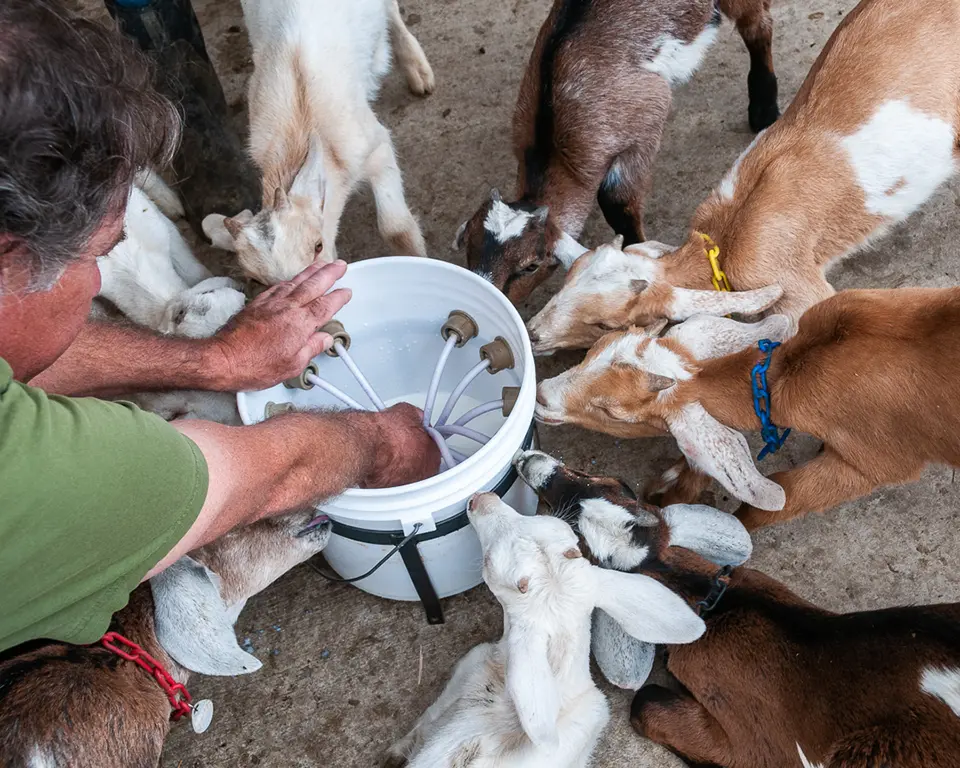
A central premise of Slow Money is that the global industrial food system is both ecologically unsustainable and economically fragile. Industrial agriculture often relies on monocultures, heavy chemical inputs, and long supply chains, contributing to soil degradation, biodiversity loss, and carbon emissions. By channeling investment into regenerative agriculture and local food enterprises, Slow Money aims to rebuild soil health, strengthen local economies, and reduce dependence on centralized systems.
Practically, the movement operates through networks of local investment groups, gatherings, and informal financing mechanisms. These include direct loans to farmers, community-supported agriculture financing, and small-scale equity investments in food-related businesses. Organizations such as Slow Money Institute help coordinate these efforts by providing frameworks, hosting events, and promoting awareness.
Slow Money does not reject profit outright but reframes it. Financial return is seen as one component of a broader “return on investment” that also includes social and ecological benefits. This aligns with related concepts in impact investing and Environmental, Social, Governance frameworks, though Slow Money tends to emphasize hyper-local, tangible outcomes rather than large-scale metrics.
Significant Characteristics
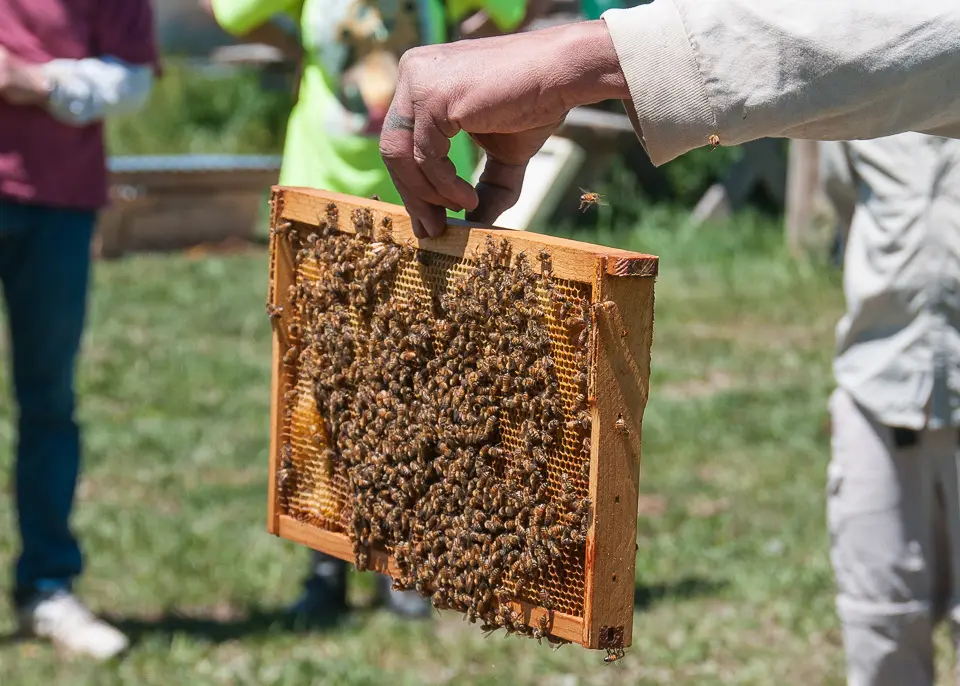
One of the primary charactersitics of the Slow Money movement is its focus on ecological sustainability. By prioritizing regenerative farming practices, it directly addresses critical environmental challenges such as soil erosion, climate change, and loss of biodiversity. This ecological grounding gives the movement a strong ethical and scientific foundation.
Another key characteristic is its support for local economies. By investing in nearby farms and food businesses, Slow Money helps keep capital circulating within communities, fostering economic resilience and reducing reliance on global supply chains. This localization can enhance food security and create more transparent relationships between producers and consumers.
The movement also benefits from its alignment with broader trends in impact investing. As more investors seek to integrate social and environmental considerations into their portfolios, Slow Money provides a clear, values-driven framework. Its emphasis on tangible, place-based outcomes can be especially appealing compared to abstract financial instruments.
Finally, Slow Money promotes long-term thinking. In contrast to the volatility and short-termism of conventional markets, it encourages patience and stewardship—qualities that are particularly important in agriculture, where returns often unfold over years rather than quarters.
Final Thoughts
The Slow Money movement represents a deliberate shift toward aligning financial systems with ecological and community well-being. Its emphasis on local investment, sustainability, and long-term value offers a compelling alternative to conventional finance. As interest in sustainable and impact investing grows, Slow Money provides an important, if niche, model for rethinking how capital can serve both people and the planet.